
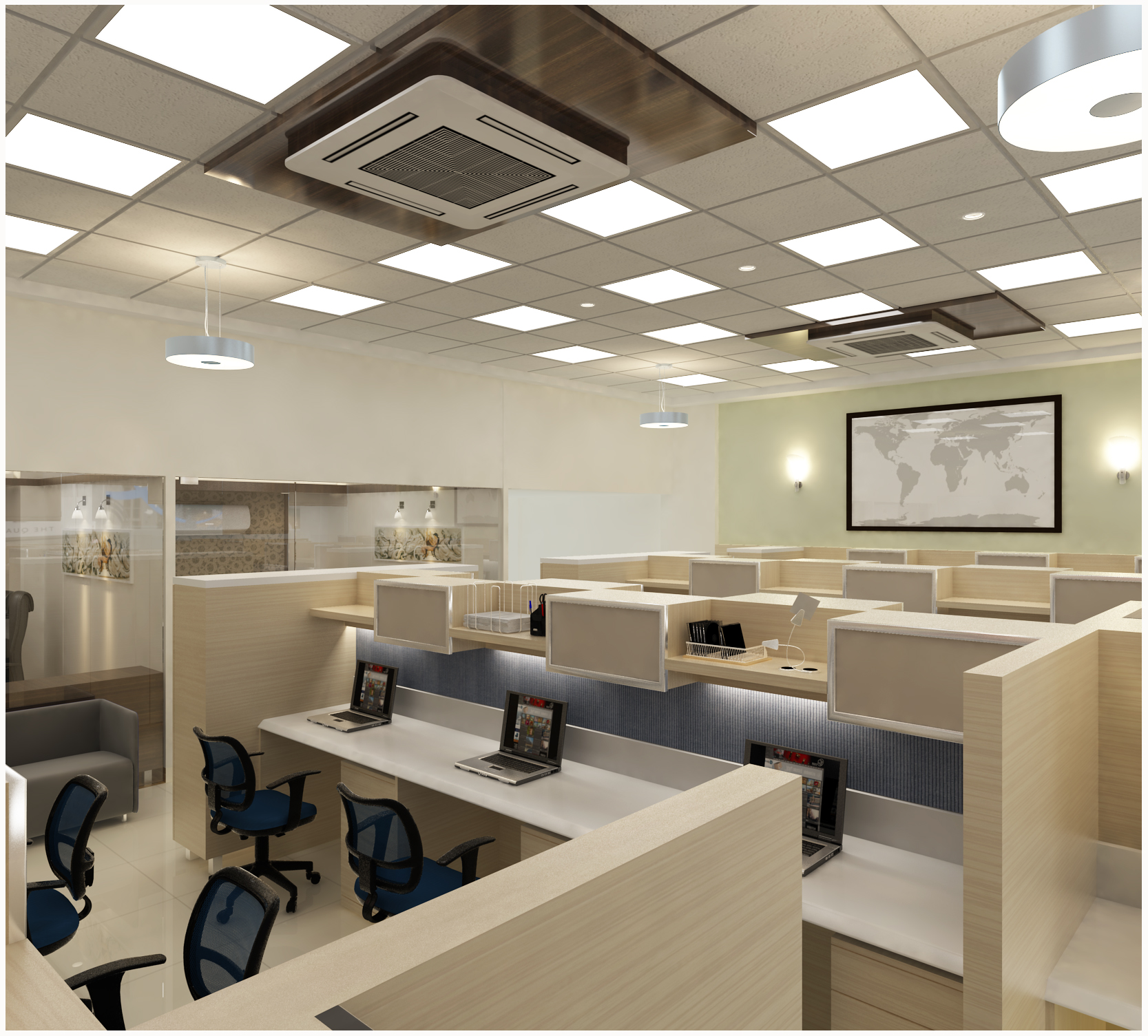
A turnkey interior project is a complete interior design and execution solution where one company manages the project from start to finish. Instead of dealing with separate designers, contractors, carpenters, electricians and suppliers, the client works with one responsible team.
In simple words, you hand over the space to the interior company, and the team hands it back once it is ready to use. The final result may be a ready-to-move home, a functional office, a hospital, a clinic, a retail store or any other completed interior space.
This approach is useful for clients who want organised planning, better coordination, clear accountability and less daily involvement during execution. It is especially helpful when the project has multiple activities such as civil work, electrical work, furniture, finishing, lighting and final handover.
A turnkey interior project gives one team complete responsibility for planning, design, material coordination, site execution and final handover.
What Is a Turnkey Interior Project?
A turnkey interior project means an end-to-end interior service where a single company takes responsibility for design, material planning, execution and handover. Once the work is completed, the client can start using the space without coordinating with multiple vendors separately.
The word turnkey comes from the idea that the client only needs to “turn the key” and enter the completed space. The interior team manages the planning, approvals, procurement, labour coordination, quality checks and finishing work according to the agreed scope.
How Does a Turnkey Interior Project Work?
A professional turnkey interior service follows a clear process. The exact steps may vary depending on the size and type of project, but the basic flow usually remains the same.
Consultation and Requirement Study
The process starts with a discussion about the client’s space, usage, design preference, budget and timeline. The team studies the site condition, measurements and practical requirements before preparing the design direction.
Space Planning and Design Concept
After understanding the requirement, the designer prepares a layout that improves movement, storage, functionality and comfort. Depending on the project, the concept may include mood boards, material suggestions and 3D views for better clarity.
Material Selection and Budget Planning
Once the design is approved, materials such as flooring, laminates, lights, hardware, furniture finishes, fabrics and accessories are selected. The aim is to balance appearance, durability, maintenance and budget.
Site Execution and Quality Checks
Civil work, partitions, ceiling, electrical, carpentry, painting, furniture and finishing work are carried out in a planned sequence. Regular site supervision helps avoid rework and keeps the project aligned with the approved design.
Final Handover
After completion, the space is cleaned, checked and handed over in ready-to-use condition. The final handover usually includes checking finishes, fittings, furniture, lights and other agreed project items.
What Is Included in Turnkey Interior Services?
The exact scope should always be confirmed in writing before work begins. Depending on the project and agreement, turnkey interior services may include:
- Site survey and measurement
- Requirement analysis and planning
- Space planning and layout design
- Concept design and 3D visualization
- Material selection and specification
- Civil work and partitions
- Flooring and false ceiling work
- Electrical and lighting work
- Plumbing and HVAC coordination where required
- Custom furniture and carpentry
- Painting, polishing and finishing work
- Signage, branding and décor coordination where required
- Site supervision and quality inspection
- Final cleaning, testing and handover
Loose furniture, décor, appliances, statutory fees, specialist equipment or branded items may be included or excluded depending on the approved quotation. Always check the scope carefully before finalising the contractor.
Turnkey Interior Project vs Traditional Interior Work
In a traditional interior project, the client may work with separate designers, contractors, furniture vendors and suppliers. In a turnkey project, one team manages the complete work. This difference affects time, cost control, coordination and stress level.
Time Involvement
In a traditional project, the client often coordinates with separate vendors and follows up on daily progress. In a turnkey project, one team manages design, vendors, procurement and execution.
Cost Control
Traditional projects may face cost changes because of unclear scope or separate vendor quotations. Turnkey projects generally offer better budget control because the scope, materials and execution responsibilities are defined earlier.
Execution Speed
When design and execution are handled by separate parties, work can slow down due to coordination gaps. A turnkey team can plan material procurement, labour and site work in a more organised sequence.
Accountability
In a turnkey setup, the client does not need to identify which vendor is responsible for a delay or defect. One company remains responsible for the complete project delivery.

One Team from Planning to Final Handover
A turnkey interior project reduces the need to coordinate with multiple vendors. Design, material planning, procurement, execution and quality checks are managed under one clear responsibility.
Designed, Executed and Delivered for Use
From layouts and furniture to lighting, finishing and handover, a turnkey interior solution focuses on delivering a complete and functional space that is ready for day-to-day use.

How to Choose the Right Turnkey Interior Contractor
Choosing the right contractor is one of the most important decisions in a turnkey interior project. A good contractor can help control cost, improve quality and complete work on time. A poor selection can lead to delays, hidden expenses and repeated rework.
Check Relevant Project Experience
Every space has different functional and technical needs. Homes, offices, hospitals, clinics, banks, retail stores and commercial spaces cannot be planned in the same way. Choose a contractor who has handled projects similar to yours.
- Completed project portfolio
- Before-and-after photographs
- Client testimonials
- Project size and complexity
- Industry-specific experience
Confirm Complete Turnkey Scope
Some companies use the word turnkey but may handle only design or basic civil work. A genuine turnkey interior contractor should clearly mention what is included from planning to final handover.
- Design and working drawings
- Civil and partition work
- Electrical and lighting work
- Furniture and carpentry
- Site supervision and final handover
Review Design Capability
Good interior design should look attractive and also support the way the space will be used. Review whether the contractor can plan layouts, storage, lighting, furniture and material combinations properly.
- Practical space utilisation
- Design aligned with your use and brand
- Suitable material recommendations
- Lighting and furniture planning
- 3D views before execution
Study the Quotation Carefully
Do not select a contractor only because the quotation is low. A lower price may exclude important items or use weaker materials. Compare quotations only after checking the same scope and specifications.
- Detailed scope of work
- Material names and specifications
- Quantities and measurements
- Timeline and payment schedule
- Exclusions and warranty terms
Check Project Management Process
A turnkey interior project includes many activities that must happen in the right order. A professional team should have a clear system for approvals, procurement, execution, inspection and communication.
- Dedicated project manager
- Project schedule with milestones
- Regular progress updates
- Site photographs and reports
- Clear communication channel
Visit Completed or Ongoing Sites
Photos may not show the complete quality of execution. If possible, visit one completed project and one ongoing site to check finishing quality, worker discipline, cleanliness and material handling.
- Furniture workmanship
- Joint alignment and finishing
- Electrical and lighting installation
- Flooring and ceiling quality
- Site cleanliness and safety
Verify Professional Credentials
For commercial, healthcare and large interior projects, it is important to work with a registered and professional contractor. This reduces risk and improves accountability during execution.
- GST and business registration
- Written contract
- Safety practices
- Insurance where required
- Warranty and support policies
Key Benefits of a Turnkey Interior Project
A turnkey interior solution makes the overall process simpler and more organised. It is useful for homeowners, business owners and organisations that want a single team to manage the project from concept to completion.
Single Point of Responsibility
The biggest benefit of turnkey interior services is clear accountability. One company handles design, procurement, civil work, electrical work, carpentry, painting, furniture and finishing. This reduces confusion and makes communication easier.
Better Budget Control
A turnkey contractor usually provides a defined scope, material specifications and project estimate before execution begins. This helps the client understand the expected cost and avoid many last-minute surprises.
Faster and More Organised Execution
Since one team manages design and site work together, the project can move in a planned sequence. Material ordering, labour planning and execution can be coordinated more smoothly.
Professional Project Management
Interior projects require regular decisions, vendor coordination, quality checks and site supervision. A turnkey team manages these activities on behalf of the client and reduces daily involvement.
Consistent Quality and Design Finish
When one company manages the full project, it becomes easier to maintain consistency in layout, materials, workmanship, colours, lighting and furniture finish.
How to Control Cost in a Turnkey Interior Project
Cost control does not mean choosing the cheapest material or contractor. It means planning the scope clearly, selecting practical materials and avoiding confusion during execution.
- Finalise layout, materials and furniture details before execution starts.
- Ask for a written scope of work with clear inclusions and exclusions.
- Compare quotations using the same material specifications and quantities.
- Avoid frequent design changes after material procurement begins.
- Check completed projects before finalising the contractor.
- Keep approval, payment and timeline terms clearly documented.
Why Turnkey Interiors Are Useful for Commercial and Healthcare Spaces
Commercial spaces, hospitals, clinics, banks and offices usually need stronger coordination between design, technical services, furniture, lighting, branding and day-to-day operations. In such projects, small coordination mistakes can affect both the budget and the completion timeline.
A turnkey interior contractor can coordinate different activities together and reduce the client’s daily involvement. This allows the client to focus on business operations while the interior team manages the site work.
Conclusion
A turnkey interior project is a practical choice for clients who want a complete, organised and ready-to-use interior solution. It brings design, material coordination, vendor management, site execution and final handover under one responsible team.
Compared with traditional interior work, turnkey interiors offer better coordination, clearer timelines, improved budget control and stronger accountability. The success of the project, however, depends on selecting an experienced contractor with transparent pricing, good project management and reliable post-handover support.
Trance Interiors provides end-to-end turnkey interior design services for homes, offices, hospitals, clinics, banks, retail stores and commercial spaces. Our team manages planning, design, procurement, technical coordination, site execution and final handover to deliver functional and attractive interiors.